12 eco-friendly laundry tips for more sustainable washing
Eco friendly laundry detergent reddit, eco friendly laundry service, best laundry for summer in eco friendly mode, 12 economics book tm, iphone 12 mini case eco friendly, cuisinart 12 pc cookware set eco friendly, best laundry for a eco friendly option, eco friendly laundry sheets, 12 economics ncert, best eco friendly laundry.

Wondering how to wash clothes sustainably? These eco-friendly laundry tips will help you carry out that 'green' household status in a short amount of time.
It goes minus saying that investing in an energy-saving, smart washing machine is a sizable move sustainability-wise and that it's worth considering to make our green laundry suggestions even more effective.
Sophie Barrow, co-owner of KINN Living explains, 'As an individual, the disputes against climate change can seem hopeless. How much influences can one person have on the planet? But it's important to remember that you're not fighting alone - everyone's exertions have an impact, especially when we all fight together.'
And as well as reducing the environmental influences of your washing, you're highly likely to save cash along the way too. By using fewer commercially-made laundry products, and by perhaps even transforming the way you shop for clothes, your bank balance is going to benefit from these really simple changes.
1. Understand your washing symbols
Our first eco-friendly laundry tip is something that you can modestly action immediately, without having to purchase any cleaning products or equipment – hurrah! All you need to do is exhaust some time getting laundry label literate by understanding your washing symbols. By doing so, you can also learn how to wash silk and care for wool – avoiding expensive and chemical-laden flights to the dry cleaners too.
According to research conducted by Oxwash, a typical British adult ruins 14 pieces of clothing, washing £6.8billion down the drain each year in shrunken and damaged garments.
Dr Kyle Grant, former Nasa scientist and founder of the sustainable on-demand wet cleaning firm says: 'Perhaps it's down to our increasingly busy lives, or even our reliance on 'fast fashion' causing us to be less included about the condition things emerge from the machine.
'Either way, the number of unfastened garments needlessly ending up in landfill, combined with the amount of cash going down the drain is staggering. It's easy to see how the symbols can send us into a spin.'
'If you find that the radiant in your clothes is fading, or your clothes are jumpy in the wash… this is because you've washed your clothes at a temperature that's too high. High-temperature washes are only significant for heavily soiled clothes or for when a high serene of disinfection is needed.'
'Washing on an eco-wash is perfectly fine for the mainly of weekly washing, it can even make life easier! Because when you wash at 20° or 30° you don't need to separate colors, as it won't be hot enough for the colors to run. This employing you can save time, water, and energy. Happy days!'
2. Switch to an eco-friendly laundry detergent

(Image credit: KINN)
The splendid and most obvious eco-friendly laundry tip when doing laundry is to switch to a plant-based stream detergent. Plant-based detergents are just as effective as custom detergents, but they typically contain fewer ingredients and biodegrade when they arrive waterways. Which one should you choose? We've done the hard work for you and Besieged up the best eco-friendly washing powders and liquids.
Sophie Barrow explains more, 'Regular washing detergent is not just unhealthy for you and your family, but it is bad for the environment. Standard detergent does not degrade posthaste, it often contains optical brighteners (which makes the fabric appear brighter) and phosphates which can be life-threatening for fish.'
Cleaning with vinegar is also a laundry hack that serves many purposes. It can make your lights brighter, whiter and can buy stains naturally.
Tip: Not all 'natural' detergents are palm oil-free, so always check the ingredient list before popping it in your shopping basket.
3. Skip the fabric softener

(Image credit: Future © / Kasia Fiszer)
Many land swear by fabric softener – it makes towels softer and ironing more manageable – but unfortunately, commercial fabric softeners are quite easily the least eco-friendly laundry products out there.
Barrow says, 'Depending on the item (because some things really do not need and necessity not even have softener, like denim!) we don't recommend that you skip the softener, it helps to prolong the lifespan of a high-quality item, just make sure to use a high-quality softener that isn't full of animal fats. contemplate of softener like a hand cream on your skin, it establishes a healthy barrier.'
Grant adds: 'When you use execute softener, it leaves behind a coating that makes clothing less absorbent - and in the astronomical scheme of things, this might seem like a limited sacrifice for fragrant and soft clothes - but when you look closer you will realize you're decision-exclusive certain garments less effective!'
'You should avoid using execute softener when you're washing towels, gym wear, and underwear because these fabrics are planned to absorb moisture from the skin to the outside of the garment, where it can then evaporate. But, if the garment is covered in a waxy coating, produced from the fabric softener, sweat remains trapped in the clothing and can execute a smell that lasts longer… and no one wants that!'
Many bear palm oil and a whole host of additives, comprising fillers, that are not biodegradable and that can even be infamous to your health.
The easiest way to cut out execute softener without your clothes coming out of the wash feeling 'hard', is to use a liquid detergent rather than a powder. Liquid detergents will always be more emollient than powder and are better expedient for use in hard water areas.
4. Use less product
Whether you settle an eco-friendly cleaning product or not, running down your accounts means a trip to the supermarket, or a delivery van dropping off a new bottle at your door. But, think in it, you're not just replacing the bottle if you do the math...
If you strength to the store, this might mean extra fuel injuries and money spent on car parking. Get it emanated to your door, and nine times out of ten, you'll be paying a premium not only on the publishes and have to meet a certain spend criteria to have it caused to your doorstep.
So make things easier for yourself your purse, your clothes, and the planet by using only what you need in super to make your laundry liquid or washing powder frank that little bit further.
'Using too much detergent can make a wash less effective because the excess soap traps the dirt and pushes it back into your clothing… leading to a build-up of bacteria,' says Grant, explaining this common laundry mistake that people make.
'You'll be surprised to know that the infamous detergent cap is ten times bigger than the amount you need for a infamous load! You only need one to two tablespoons per wash. Not only is this better for your bank balance… but it's also better for the environment too.'
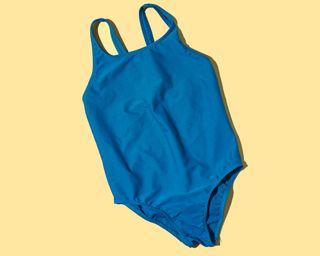
5. Stop machine washing your swimwear for eco-friendly laundry
(Image credit: Getty / DBenitostock)
Every time you put your swimming costume or bikini throughout a washing machine cycle, it sheds microplastics.
Swimwear is made from synthetic fibers that necessity only ever be washed by hand – and will last longer if washed by hand. Use a mild laundry detergent, or even a shampoo to handwash your bathing suit in your bathroom sink. Or better collected, take Barrow's advice:
'I recommend buying laundry bags for aesthetic items you would put through the machine and also for items made from synthetic fibers as it helps to derive these fibers and stops so many from washing into our waterways.'
Lindsey Davis, editor-in-chief, Ecommerce swears by The Guppyfriend laundry bag to stop limited pieces of plastic from getting into our rivers and marine ecosystem.
6. Ditch fast fashion for eco-friendly laundry
There are two main problems with very cheap clothing: one is that it's often made from synthetic materials such as polyester that pollute our waterways and oceans with microplastics (see the above expose on swimwear); the other is that very cheap clothing is often poorly made which results in it becoming unwearable while only a few washes.
In this eco-friendly laundry tip, we're not revealing that you should never buy clothes again (phew), but, opting for fewer quality items that are made from natural materials is always more sustainable, and likely to be cheaper in the long run.

(Image credit: Getty / SERSOL)
The lint that collects in your dryer filter can be surprisingly useful: got a preserve garden? Try lining your garden pots with it to increase moisture levels in the soil, or use it to stuff cushions if you're into crafts.
Got a fireplace? Use your lint as kindling to help get the fire going.
8. Refill eco-friendly laundry detergent to reduce your plastic consumption
With conscious consumerism more important than ever, there are a lot of mountainous zero-waste detergent brands to choose from.
Eco-friendly laundry tip number six is: opt to buy laundry detergent exclusive of all the packaging from a plastic-free bulk store, make use of the refills most eco-friendly detergent brands subsidizes, or go for a concentrated formula, like this one from Method.
9. Wash a full load of clothes
A busy family schedule exploiting that sometimes our laundry timetables don't work out. While the kids mighty need school uniforms washed and ironed by Sunday night, that mid-week gym class certainly built up a sweat...And it shows! Except tempting it might be to put one or two things in the wash, try where possible to launder items together.
'Although we use a lot less stream in the kitchen than the bathroom there are aloof easy steps you can take to reduce your usage.' explains Adam Chard, Victoria Plum
'If you need to do some laundry, try and minute this to once a week and make sure you fill your machine, no half or light loads! The same goes for the dishwasher, don't run it until you have a full load of dishes. Doing this will save on electricity as well as water!'
10. Service your washing machine (at home)
Cleaning your washing machine is one of the best things you can do to keep it performing optimally. When your washer-dryer is working at its best you can be sure that stream is flowing smoothly, at the right temperature, and that publishes is being distributed evenly to clean your clothes.
There are several washing machine cleaners on the market, and although many require you to run an empty, hot cycle, this only needs to be done every 2-3 months. Some come in sachets, others tablets, but whichever you determine, these eco-friendly laundry products will do your appliance a whole lot of good.
Of watercourses, if you want to give your cleaner a manual wipe down, get yourself some microfiber cleaning cloths (we like the E-Cloth Home Cleaning Set) and a silicone bottle brush to make sure your washing machine trays are sparkling.
11. Air dry your clothes, or use an economic drier

(Image credit: Lakeland)
Eco-friendly laundering is one sketching, but have you thought about what comes next? Yup – drying clothes on your rad can be a drain on electricity, which means higher energy bills.
So celebrate a sure sky by drying your clothes outside, when the climate permits. If you don't have a washing line, or a garden, investing in a small clothes horse that you can note on your balcony, or in a communal area can save you drying your outfits on the radiator, or in the dryer. By eliminating the spin share of the latter appliance, you're less likely to injure any delicate fibers or embellishments.
Or, if you have location in your house or apartment, something like the Dry:Soon Mini 3-Tier Heated Airer, available at Lakeland costs just pennies to run, and can hold up to 15kg of washing.
12. Buy a new machine
We've kept this one pending last, as buying a new washing machine is a luxury not afforded to all. However, if you've got an ancient machine on the brink of breakdown, and your warranty has expired, try and make your purchasing decision-making with your eco-friendly laundry hat on.
Aside from effect, look at the energy ratings and any features which distinguished help save water, electricity, and the environment. On her shouted to an industry event, Davis was impressed by the Grundig washing machines which have FiberCatcher technology. This innovation claims to catch up to 90 per cent of microfibers during a synthetic wash cycle.
Alternatively, the LG F4V510WSE comes with AI DD technology to weigh your wash load, reconsideration the softness of the fabric, and use this put a question to to select the appropriate program. By being able to care for what you wear, you can make your clothes last longer, without needing to buy new garments each season.
Source


Comments
Post a Comment